Destinations

Sri Lanka is a tapestry of wonder, where every corner tells a story waiting to be discovered. Golden beaches give way to emerald mountains, sacred temples rise amidst misty landscapes and vibrant markets hum with life and tradition. At Ceylon Bound, we invite you to journey beyond the familiar, to uncover hidden treasures and timeless beauty. Each destination is more than a place; it is an experience that awakens the senses, stirs the soul, and leaves an imprint of Sri Lanka’s magic on your heart.

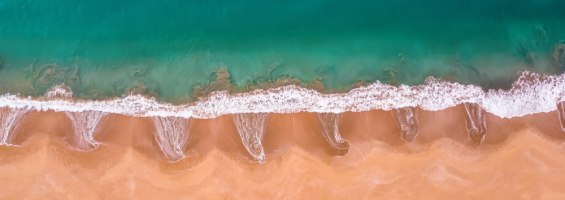
Sri Lanka’s coastline is a mosaic of golden sands, turquoise waters, and vibrant cultures. From the tranquil coves of the east to the lively surf spots of the south, each beach offers a unique experience. Whether you’re seeking adventure, relaxation, or cultural immersion, the island’s beaches promise unforgettable memories.

Bentota, on the southwestern coast, is a popular beach resort town offering a blend of relaxation and adventure. The Bentota River provides opportunities for water sports like jet skiing and windsurfing. The town is also home to the Brief Garden, a beautifully landscaped garden showcasing Sri Lankan flora.
Nilaveli, located near Trincomalee, is a serene beach destination known for its clear waters and soft sandy shores. The nearby Pigeon Island National Park is a marine sanctuary, offering excellent opportunities for snorkeling and diving. The area remains relatively undeveloped, preserving its natural beauty.
Arugam Bay, on the southeastern coast, is a world-renowned surf destination. The bay offers consistent waves suitable for surfers of all levels. Beyond surfing, the area is rich in wildlife, with elephants and other animals often spotted in the vicinity. The laid-back vibe and stunning sunsets make it a favorite among travelers.
Negombo, situated near the international airport, is a convenient beach destination for travelers. The beach is lined with palm trees and offers a relaxed atmosphere. The town is also known for its bustling fish market and the historic Dutch Fort, adding cultural depth to the coastal experience.
Passikudah, on the eastern coast, is renowned for its shallow, warm waters that extend for miles, making it one of the safest beaches for swimming. The area is also a hub for water sports, including windsurfing, jet skiing, and snorkeling. The tranquil setting is perfect for those seeking a peaceful retreat.
Tangalle, located on the southern coast, is a tranquil beach destination characterized by its long stretches of golden sand and clear blue waters. The area is less commercialized, offering a more authentic Sri Lankan beach experience. Nearby attractions include the Rekawa Turtle Sanctuary, where visitors can observe sea turtles nesting.
Hikkaduwa, on the southwestern coast, is a vibrant beach town known for its coral reefs and surf breaks. The Hikkaduwa Coral Sanctuary is a protected area teeming with marine life, making it a popular spot for snorkeling. The town also offers a lively nightlife scene, with numerous bars and restaurants lining the beach.
Mirissa is a picturesque crescent-shaped bay on the southern coast, renowned for its golden sands and vibrant atmosphere. It’s a hotspot for whale and dolphin watching, with seasonal sightings of blue and sperm whales. The beach is also famous for its laid-back vibe, making it a favorite among travelers seeking both adventure and relaxation.
Situated on the northwestern coast, Kalpitiya is a haven for adventure enthusiasts. The area is famous for its kitesurfing opportunities, with consistent winds and shallow lagoons. Dolphin watching is another major attraction, with large pods frequently spotted off the coast. The region’s pristine beaches remain relatively untouched, offering a serene escape.
Located on the northeastern coast, Trincomalee boasts some of the clearest waters in Sri Lanka. Its beaches, like Nilaveli and Uppuveli, are ideal for snorkeling and diving, offering glimpses of vibrant coral reefs and diverse marine life. The town also holds historical significance with its ancient temples and colonial architecture.

Ancient ruins, timeless temples, and legendary citadels reveal a land steeped in culture and history. Sri Lanka’s heritage sites invite travellers to walk in the footsteps of kings, monks, and artisans, offering glimpses into the ingenuity, devotion, and artistry of past civilizations. Each destination is more than a landmark – it is a story etched in stone, waiting to be discovered.


Yapahuwa, a fortified capital built in the 13th century, was designed to protect the sacred tooth relic of the Buddha. The site features a striking rock fortress with a monumental stone staircase and detailed carvings. Though its period of prominence was brief, Yapahuwa played a key role in Sri Lanka’s medieval history. Today it offers visitors insight into defensive architecture and the island’s religious heritage.
The Dambulla Cave Temple, carved into a rocky hillside, is a treasure trove of religious art and devotion. Its five caves house hundreds of Buddha statues and vibrant murals depicting stories from Buddhist teachings. The temple has served as a sanctuary for monks and pilgrims for over two thousand years. Visiting Dambulla is both a spiritual journey and a chance to admire centuries of artistic mastery.
Polonnaruwa succeeded Anuradhapura as a thriving medieval capital and remains one of the best-preserved ancient cities in Sri Lanka. Visitors can explore royal palaces, intricate stone statues, and large reservoirs built for irrigation and water management. The city showcases the ambition and artistic vision of the kings who ruled here. Polonnaruwa offers an immersive experience into medieval life and the island’s historical ingenuity.
Anuradhapura was one of Sri Lanka’s earliest capitals and a major center of Buddhist learning and devotion. Its sprawling ruins include monumental stupas, ancient monasteries, and the sacred Bodhi tree, believed to be over two thousand years old. Walking through the city evokes a sense of awe at the scale and sophistication of early urban planning. The site reflects a harmonious blend of spirituality, governance, and culture.
Rising dramatically above the surrounding plains, Sigiriya is a 200-meter-high rock fortress built in the 5th century. Its upper terraces are adorned with vivid frescoes and stone carvings, while the landscaped gardens below demonstrate advanced engineering and aesthetic vision. Climbing to the summit rewards visitors with sweeping views of the island’s heartland and a sense of connection to the ancient past. Sigiriya is a masterpiece of architecture, art, and history all in one.

Verdant valleys, rolling tea fields, and cool mountain breezes create havens of peace and breathtaking beauty. Sri Lanka’s highlands are a sanctuary for nature lovers, adventurers, and those seeking tranquility. Each destination offers a unique blend of scenic landscapes, cultural heritage, and opportunities for exploration. Travelling through the highlands is a journey through misty mountains, cascading waterfalls, and timeless traditions.

Haputale is a serene hill town overlooking rolling tea estates and deep valleys. The town provides panoramic views of the surrounding mountains and the southern plains beyond. It is known for peaceful nature walks, tea factory visits, and the Lipton’s Seat viewpoint. Haputale combines tranquility, cultural insight, and stunning landscapes for an unforgettable highland experience.
Horton Plains is a high-altitude plateau famous for dramatic cliffs, misty grasslands, and diverse wildlife. The trail to World’s End offers breathtaking views over the central highlands. Visitors can encounter cloud forests, endemic bird species, and cascading waterfalls along the walking paths. Horton Plains is both a scenic and ecological treasure that captures the essence of Sri Lanka’s highlands.
The Knuckles Mountain Range is a UNESCO-recognized biodiversity hotspot with rugged peaks and pristine forests. It is ideal for trekking, birdwatching, and exploring remote villages. The region is home to endemic flora and fauna, making it a paradise for nature enthusiasts. Travelling here provides a sense of adventure and immersion in untouched natural beauty.
Ella is a small village surrounded by dramatic cliffs, verdant valleys, and tea plantations. The area is known for its picturesque viewpoints such as Little Adam’s Peak and Ella Rock. Its relaxed atmosphere makes it perfect for hiking, photography, and connecting with nature. Ella offers stunning sunsets and a peaceful escape from the bustle of city life.
Nuwara Eliya, often called “Little England,” is nestled amidst lush hills and sprawling tea plantations. Its colonial architecture and well-manicured gardens reflect a charming, tranquil atmosphere. The town is also a hub for exploring Horton Plains, Gregory Lake, and local waterfalls. Visitors can enjoy cool mountain air, scenic drives, and a glimpse of Sri Lanka’s colonial past.

Sri Lanka’s wilderness invites discovery, from roaming elephants to rare birds hidden in lush forests. The island’s national parks and protected reserves offer encounters with wildlife, untamed landscapes, and ecosystems found nowhere else. Travelling through these natural havens reveals the diversity and resilience of Sri Lanka’s flora and fauna. Every safari, trek, or guided walk is a chance to connect deeply with nature.

Sinharaja Rainforest is a UNESCO World Heritage Site and one of the last remaining tropical rainforests in Sri Lanka. It is home to endemic species of birds, reptiles, and plants, many of which are found nowhere else on Earth. The dense canopy, streams, and waterfalls create a serene and mysterious environment. Trekking through Sinharaja is a journey into an untouched world of extraordinary biodiversity.
Minneriya National Park is best known for the annual gathering of hundreds of elephants at the Minneriya Tank, a spectacular natural phenomenon. The park also hosts deer, water buffalo, and an impressive variety of birdlife. Its dry zone forests and open plains create dramatic landscapes that change with the seasons. Visiting Minneriya offers a breathtaking wildlife spectacle and a deep connection with Sri Lanka’s natural rhythms.
Wilpattu National Park, the largest in Sri Lanka, is renowned for its “willus,” natural lakes scattered across dense forest and scrubland. The park is home to leopards, elephants, sloth bears, and a variety of rare birds. Its remote location and pristine wilderness provide a sense of adventure and discovery. Wilpattu remains a haven for those seeking unspoiled natural beauty and wildlife encounters.
Udawalawe National Park is famous for its large herds of wild elephants roaming the open plains. The park also shelters water buffalo, deer, and numerous bird species, making it ideal for wildlife photography. Its scenic landscapes are dotted with reservoirs and grasslands that support rich biodiversity. Udawalawe offers an intimate glimpse into Sri Lanka’s majestic wildlife and conservation efforts.
Yala National Park is Sri Lanka’s most visited wildlife sanctuary, known for its leopard population and diverse habitats. Visitors can spot elephants, sloth bears, crocodiles, and over 200 bird species across forests, lagoons, and grasslands. The park’s mosaic of ecosystems makes every safari a unique adventure. Yala combines accessibility with the thrill of encountering wildlife in its natural environment.

Pilgrimage trails and holy sanctuaries reflect the country’s deep spiritual roots and living traditions. Sri Lanka’s sacred sites offer travellers a chance to witness devotion, explore centuries-old rituals, and understand the island’s cultural heartbeat. From mountain shrines to riverside temples, each location tells a story of faith, resilience, and reverence. Visiting these places provides both a spiritual experience and a deeper understanding of Sri Lankan heritage.

Koneswaram Temple, perched dramatically on Swami Rock overlooking the sea, is an ancient Hindu temple dedicated to Lord Shiva. The temple complex blends stunning architecture with panoramic views of the eastern coastline. Pilgrims come to perform rituals, offer prayers and witness annual festivals that enliven the site. Koneswaram Temple combines natural beauty, cultural significance and spiritual devotion in one remarkable location.
Jaffna is a spiritual and cultural hub in the northern part of the island, rich in Hindu temples and Christian churches. Nallur Kandaswamy Temple is one of its most iconic religious sites, featuring elaborate Dravidian architecture. The city’s festivals, rituals and daily temple activities offer insight into Tamil Hindu traditions. Jaffna’s spiritual landscape reflects resilience, history and devotion.
Kataragama is a multi-religious pilgrimage town revered by Buddhists, Hindus and Muslims. It is known for its sacred shrine dedicated to Lord Skanda and attracts thousands of pilgrims during annual festivals. Devotees participate in rituals, fire-walking ceremonies and processions that have been practiced for centuries. Kataragama embodies the harmony of faiths and the enduring power of devotion.
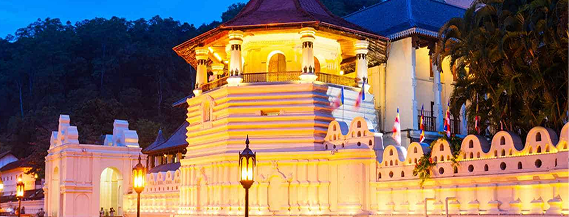
The Temple of the Tooth in Kandy houses the sacred relic of the Buddha’s tooth and is one of the most important Buddhist sites in Sri Lanka. The temple complex features ornate architecture, golden interiors, and ritual ceremonies that draw devotees and visitors alike. Daily rituals and annual festivals bring the site alive with devotion and cultural expression. A visit offers a glimpse into the spiritual heart of the country.
Adam’s Peak, also known as Sri Pada, is a towering mountain revered by Buddhists, Hindus, Muslims and Christians alike. Pilgrims climb its steep paths to reach the summit, where a sacred footprint is said to reside. The journey is often undertaken at night to witness a sunrise above the clouds, creating a profoundly spiritual and visually stunning experience. Adam’s Peak combines physical challenge with spiritual reflection.
Scroll to Top